Activision Publishing, Inc.

About
Activision is an American video game publishing company. It was founded in 1979 by four programmers at Atari after they wanted more money and recognition for the games that they created for the Atari 2600. A sales sheet, intended to list what type of games sold best so the programmers would make more like those, showed that the four of them made over 60% of the company's sales at the time, over US$ 60 million. Atari president Ray Kassar dismissed their contract renegotiations and at that point they left.
David Crane, Alan Miller, Robert Whitehead, Larry Kaplan, and former record industry executive Jim Levy founded Activision and their games would have a biography and their signature at the end of the instruction booklets. This took off and Activision made millions in sales. It also marked the start of third-party publishing and development, as previously the owner of the hardware also made all the games for it.
The name of the company was chosen because they wanted a name that was higher up alphabetically than Atari in order to show that it was superior.
In 1984, sales began to fall as the video game crash happened (in late 1983), there was a split on the direction of the company on whether to keep going with video games or computer games. Over the next few year, key employees at Activision left and formed their own companies. Many of these new companies chose names alphabetically above Activision (such as Accolade, Acclaim, and Absolute Entertainment). With sales dropping and Jim Levy's style of crediting individuals in the games becoming less effective, he left the company in 1985.
In 1989, they started focusing on other computer software and changed their name to Mediagenic. In 1991, Mediagenic filed for bankruptcy, eventually they changed their name back to Activision and in 1993, they surfaced again. Since then, Activision has been turned into the second largest publishing company in the United States.
In the late 1990s and much of the 2000s, the company acted as the main distributor for LucasArts' games. It additionally operated the Activision Value Publishing subsidiary for budget-range games.
In 2000, Activision reorganized into a holding company organizational structure. The reorganization was made effective by a merger between Activision, Inc. (the surviving company) and ATVI Merger Sub, Inc. a subsidiary of Activision Holding Company, Inc., which in return was a subsidiary of Activision, Inc.
The merger resulted in all shares of Activision Holding Company, Inc. owned by Activision, Inc. to be canceled and retired, followed by Activision, Inc. changing its name to Activision Publishing Inc. and Activision Holding Company, Inc. to Activision, Inc. The newly Activision Publishing Inc. became a wholly owned subsidiary of Activision, Inc. In the same year, Activision stopped developing games in their internal Los Angeles studio - the last productions Star Trek: Armada and Call to Power II were finished with the help of Mad Doc Software. From then on, development was handled by owned subsidiaries and licensed external parties.
In 2008, the company was acquired for US$ 18.8 billion by Vivendi, a media conglomerate. The new holding company was named Activision Blizzard, Inc.. Activision would gain the bulk of the IPs of the Sierra backlog, but would sell some franchises and studios off immediately.
Known subsidiaries
Names in italics used to be subsidiaries, but no longer are as they were closed or sold off.
- 7 Studios (acquired in 2009, closed in 2011)
- Activision O2 label (established in 2001 - closed in 2003)
- Activision Shanghai (founded in 2009)
- Activision Value Publishing (founded in 2000 - status unknown after 2016)
- Elsinore Studio (acquired in 1999 - merged into Activision Value Publishing in 2000)
- Expert Software (acquired in 1999 - merged into Activision Value Publishing in 2000)
- Head Games Publishing (acquired in 1998 - merged into Activision Value Publishing in 2000)
- Beachhead Studio (founded in 2011)
- Beenox (acquired in 2005)
- Beenox Score (acquired in 2005 - merged back into Beenox by 2008)
- Beenox Shift (acquired in 2005 - merged back into Beenox by 2008)
- Bizarre Creations (acquired in 2007 - closed in 2011)
- Budcat Creations (acquired in 2008 - closed in 2010)
- Centresoft (acquired in 1997 - closed around 2006)
- DemonWare (acquired in 2007)
- Digital Legends Entertainment (acquired in 2021)
- FreeStyleGames (acquired in 2008 - sold to Ubisoft as Ubisoft Leamington in 2017)
- Gray Matter Interactive Studios (acquired in 2002 - merged with Treyarch in 2005)
- High Moon Studios (acquired in 2008 from the Vivendi merger)
- Infinity Ward (acquired in 2003)
- Infinity Ward Poland (founded in 2018)
- Infocom (acquired in 1986, closed in 1989)
- Luxoflux (acquired in 2002, closed in 2010)
- Massive Entertainment (acquired in 2008 from the Vivendi merger - sold to Ubisoft almost immediately)
- Neversoft Entertainment (acquired in 1999 - merged into Infinity Ward in 2014)
- Radical Entertainment (acquired in 2008 from the Vivendi merger)
- Raven Software (acquired in 1997)
- RedOctane (acquired in 2006 - closed in 2010)
- Shaba Games (acquired in 2002 - closed in 2009)
- Sierra (label re-established in 2014)
- Sledgehammer Games (San Francisco) (founded in 2009)
- Sledgehammer Games Melbourne (founded in 2019)
- Sledgehammer Games Toronto (founded in 2021)
- Sledgehammer Games UK (founded in 2011 - previously known as Activision Leeds and The Blast Furnace)
- Solid State Studios (founded in 2021)
- Swordfish Studios (acquired in 2008 from the Vivendi merger - sold the Manchester studio to Monumental Games and the Birmingham studio to Codemasters almost immediately)
- Toys for Bob (acquired in 2005 - became independent again in 2024)
- Treyarch (acquired in 2001)
- Underground Development (acquired in 2002 as Z-Axis - closed in 2010)
- Vicarious Visions (acquired in 2005 - transferred to Blizzard Entertainment as Blizzard Albany in 2022)
- Wanako Studios (acquired in 2008 from the Vivendi merger - sold to Artificial Mind & Movement almost immediately)
Games (1493)
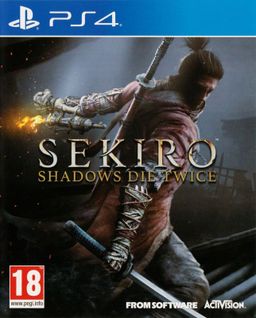
Sekiro: Shadows Die Twice

Guitar Hero II
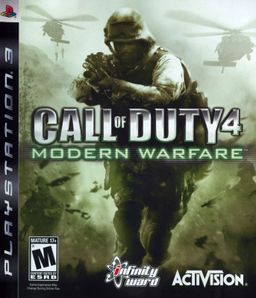
Call of Duty 4: Modern Warfare
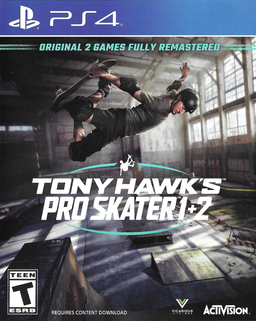
Tony Hawk's Pro Skater 1 + 2
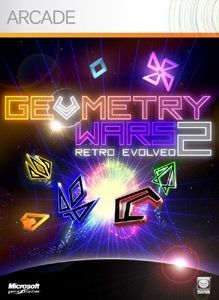
Geometry Wars: Retro Evolved 2
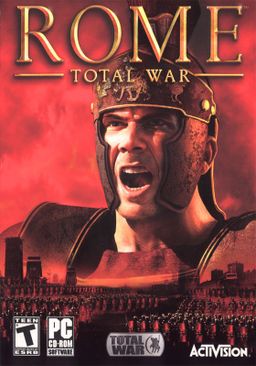
Rome: Total War
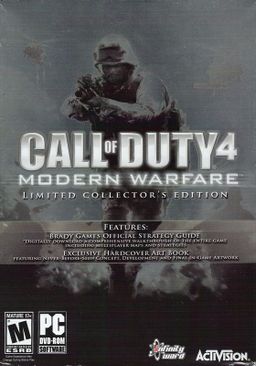
Call of Duty 4: Modern Warfare (Limited Collector's Edition)
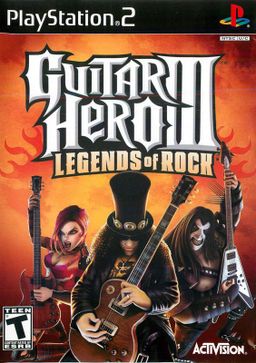
Guitar Hero III: Legends of Rock
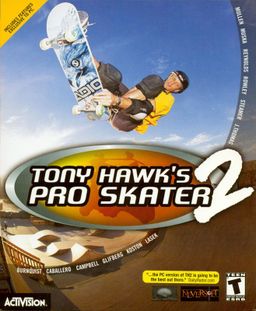
Tony Hawk's Pro Skater 2