TT Games Studios Ltd.

About
Traveller's Tales is a UK development studio founded in 1989 by Jon Burton. With the artist Andy Ingram, whom he met in a computer shop in his home town in Southport, they created the studio's first game Leander, published in 1991 by Psygnosis. The game was ported to the Mega Drive in 1992 as The Legend of Galahad with the help of Burton's demo team friend David Dootson who was later hired into the company. The team's second game Puggsy was published in 1993 and also involved Chris Stanforth at the studio, working on an unreleased SNES version. The studio's third game Bram Stoker's Dracula was released in the same year and became the studio's first licensed title. The revenue allowed the studio to set up shop officially above a pet store in Southport.
Burton enjoyed turning licenses into games and working together with Sony they created Mickey Mania for Disney, released in 1994, followed by Disney's Toy Story in 1995. Their work attracted the attention of SEGA and that led to the games Sonic 3D Blast (1995) and Sonic R (1997).
During the development of Sonic 3D Blast in 1994 the team was also working on a new Toy Story game and a project headed by artist Rodney Matthews. Burton wanted to split the work force into two teams to manage the titles better, with one working on the Matthews project, and then splitting the profits. However, his business partner Ingram went to Psygnosis and they offered to back him if he started his own company. Ingram, Stanforth and some others broke away to form the studio Tales² (later HammerHead). The Matthews project was finished there in 1998 as Shadow Master. They also did the PlayStation port of Quake II (1999), followed by the title Blade (2000) and Jinx (2003), but around 2002 the studio disbanded and Burton hired back the directors for Traveller's Tales.
Around 1997 the studio was working on Sonic R (originally an F1 racing game) and the PlayStation platformer Rascal (1998). The studio employed about 25 people at the time. They worked on various licensed titles and also three years on an original project Haven: Call of the King, released in 2002.
The period around 2005 was a busy time for the company. Traveller's Tales already moved from Southport to Knutsford (Cheshire) and opened a new development studio in Oxford. That studio completed two titles: Crash Twinsanity (2004) and Super Monkey Ball Adventure (2006), but Burton found the distance between the offices difficult to manage all projects properly and the Oxford location was then closed.
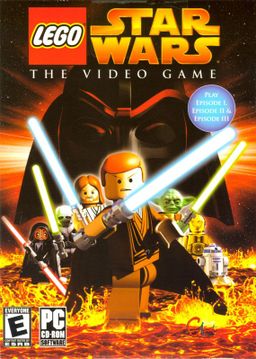
The release of LEGO Star Wars: The Video Game in 2005 was a turning point for the company. Traveller's Tales was given the chance to develop a game based on a new LEGO toy line, while LEGO itself pitched the concept of LEGO Star Wars to LucasArts, who brought it to Traveller's Tales as they in turn had previously attempted to convince LucasArts Haven: Call of the King could become a Star Wars game. Through business deals LEGO Star Wars: The Video Game was published by Giant Interactive Entertainment, Ltd. Burton was not happy with the arrangement and in 2005 the company merged with Giant Interactive Entertainment to form Tt Games Ltd., combining development at Traveller's Tales with the publishing division Tt Games Publishing Ltd.
The game was an incredible success and Tt Games got a lot of revenue, handling development but also the publishing royalties. Apart from a few other licenses such as Bionicle Heroes (2006), Transformers: The Game (2007) and The Chronicles of Narnia: Prince Caspian (2008), the studio has since been working exclusively on adapting existing franchises to LEGO environments, often for many platforms at once.
In 2006 Tt Animation was established and in January 2007 Embryonic Studios was acquired as an additional studio, then renamed Tt Fusion Ltd. In November 2007 the company was acquired by Warner Bros. Tt Games Ltd. is the company that encompasses both development by Traveller's Tales and Tt Fusion, and publishing by Tt Games Publishing, so all original development not done by Tt Fusion is listed here.
Games (58)
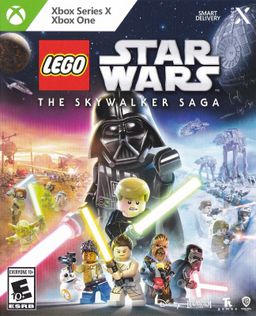
LEGO Star Wars: The Skywalker Saga
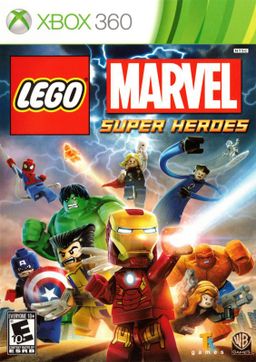
LEGO Marvel Super Heroes
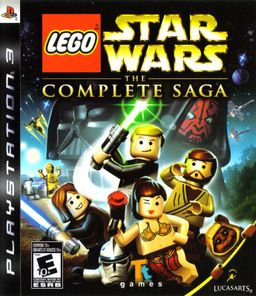
LEGO Star Wars: The Complete Saga
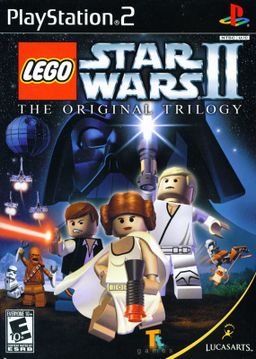
LEGO Star Wars II: The Original Trilogy
LEGO Batman 2: DC Super Heroes
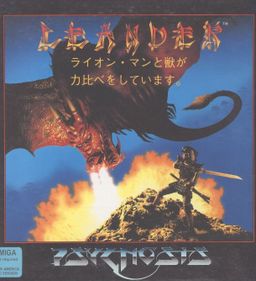
Leander
LEGO The Lord of the Rings