Westwood Studios, Inc.
About
In 1985, Brett W. Sperry and Louis Castle set to work in a garage in Las Vegas. Thus was born Westwood Studios.
Among their early creations are Mars Saga, BattleTech: The Crescent Hawk's Inception, DragonStrike and the first two Eye of the Beholder games, which garnered the young company its first taste of recognition at home and abroad.
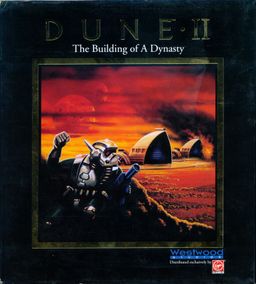
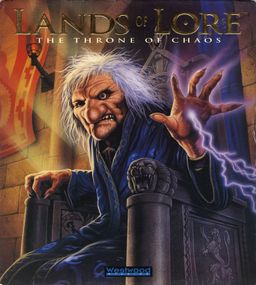
In 1992, the company merged with Virgin Interactive Entertainment, which enabled Westwood Studios to become a software publisher in its own right and to use Virgin's worldwide distribution network. It was also the year Westwood released The Legend of Kyrandia and Dune II: The Building of a Dynasty. They would also release the Lands of Lore series of role-playing games as of 1993.
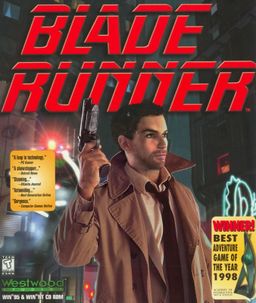
Soon after came Command & Conquer (1995) and Command & Conquer: Red Alert (1996), which set sales records and significantly impacted the RTS genre. Monopoly (1995) was their first commercial game with Internet support, using their proprietary Westwood Online (WOL) system, which their further releases would also use. The company's last adventure game was Blade Runner (1997).
In August 1998, Westwood was acquired by Electronic Arts (EA) for $122.5 million in cash following Virgin Interactive's financial problems, and was joined by another studio previously owned by Virgin, which was then renamed to Westwood Pacific.
Westwood's main branding would regardless be used on games they would outsource to Westwood Pacific or other companies, including Dune 2000 (1998, by Intelligent Games), Recoil (1999, by Zipper Interactive), Sports Car GT (1999, by Westwood Pacific as additional developer for Image Space), and Nox (2000, by Westwood Pacific).
In 1999, Westwood finished the long-awaited games which had suffered development issues: Lands of Lore III in March and Command & Conquer: Tiberian Sun in August. In the same year, Brett Sperry pitched Command & Conquer: Red Alert 2 to the Pacific studio, becoming the first major game in the series mainly developed by a company other than the main Las Vegas team, although they would contribute the engine, art and audio. The game would release in October 2000.
The final game using Westwood's rights to the Dune license was Emperor: Battle for Dune in 2001, again mainly done by Intelligent Games. Westwood would release their final three games in 2002: Command & Conquer: Renegade, Pirates: The Legend of Black Kat and Earth & Beyond.
Renegade and Earth & Beyond failed to meet Electronic Arts' expectations, so EA liquidated Westwood Studios in March 2003. Those employees that were willing to do so moved to EA Los Angeles' RTS division along with EA Pacific. While some, including Westwood co-founder Louis Castle, accepted, others remained in Las Vegas and founded Petroglyph Games not far from Westwood's office.
Since EA's acquisition, the company had handled a large amount of projects which would never end up released, many in concept stage at the point of cancellation. Known among them were: Swords & Sorcery: Come Devils, Come Darkness (later picked up by Heuristic Park and released as Wizards & Warriors in 2000), iterations of Command & Conquer 3: Incursion, Command & Conquer: Continuum, Command & Conquer: Renegade 2.
Games (46)
Lands of Lore: The Throne of Chaos
Blade Runner
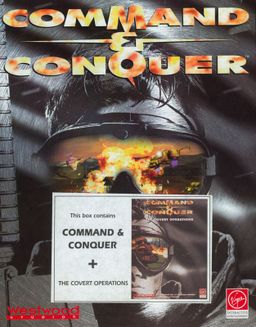
Command & Conquer + The Covert Operations
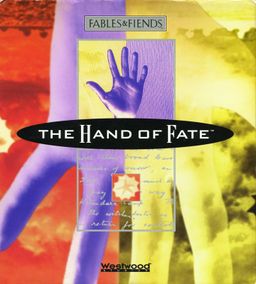
Fables & Fiends: Hand of Fate
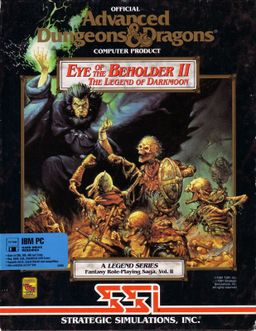
Eye of the Beholder II: The Legend of Darkmoon
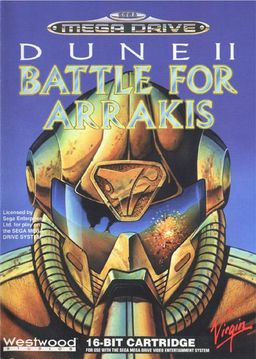
Dune: The Battle for Arrakis
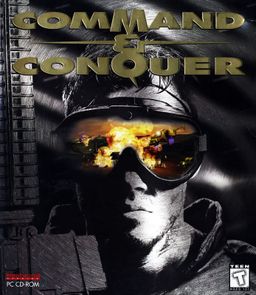
Command & Conquer
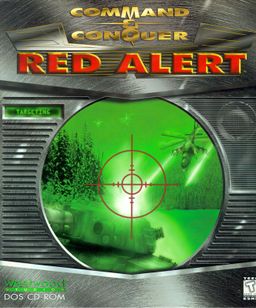
Command & Conquer: Red Alert