Animal Crossing: New Horizons
Description
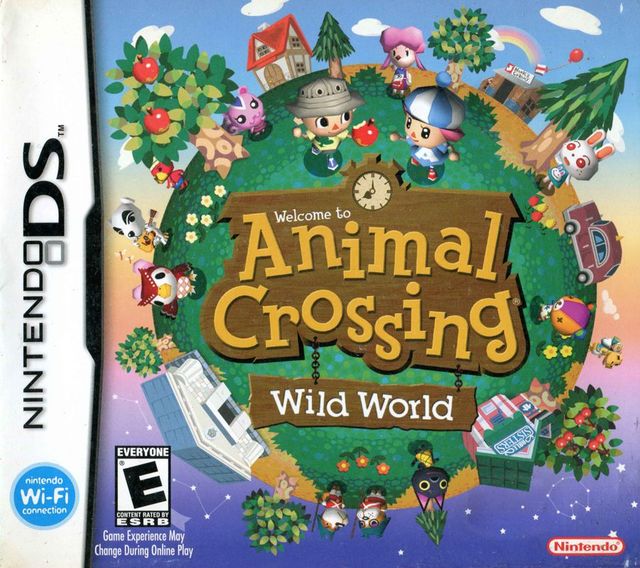
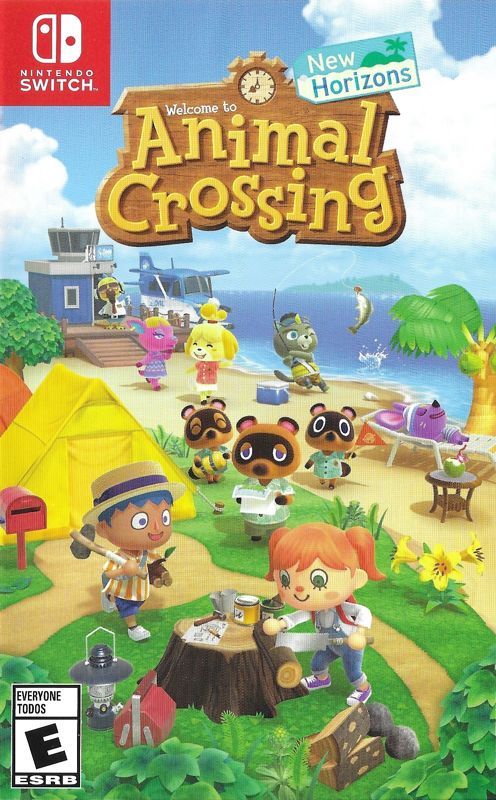
Animal Crossing: New Horizons is a single-player life simulation game with optional multiplayer features. The game begins with the player character purchasing a getaway package from Tom Nook and moving to a deserted island. Starting with only a tent and a few basic supplies, the player gradually transforms the island into a thriving community. Villagers, represented by anthropomorphic animals, join the settlement over time, each with unique personalities and daily routines. The player’s objective is not tied to a linear plot but to customizing their island, building relationships, and shaping the environment into a personalized home.
Core gameplay involves resource gathering and crafting. Players collect wood, stone, weeds, and other materials by interacting with trees, rocks, and rivers. These items are then used in a crafting system to produce tools, furniture, and decorative objects. Tools allow further interaction with the environment, such as fishing rods for catching fish, nets for capturing insects, and shovels for digging fossils. Crafting and item placement give players control over both the interior of their homes and the outdoor island environment.
Progression is tied to milestones and currency. Bells, the in-game currency, are earned through selling items, fishing, or trading with visiting merchants. Nook Miles, a secondary point system, reward achievements and can be spent on travel tickets, upgrades, or cosmetic items. The player can expand their home in stages by repaying loans, unlocking more space and design options.
Island development is another major mechanic. At first, exploration is limited, but over time players gain the ability to reshape rivers, build bridges, place inclines, and terraform the land. This freedom allows for highly customizable layouts. Seasonal changes and real-time clock synchronization bring different events, weather, and wildlife depending on the time of year, encouraging long-term play. Villagers converse with the player, exchange gifts, and can be persuaded to stay or move away. Online and local multiplayer allow up to seven other players to visit an island, share resources, or trade items. Special visitors such as merchants or event characters also appear periodically, offering unique rewards or activities.
Mini-games and optional activities enhance variety. Players can design clothing, decorate homes with interior design tools, and create patterns for use on furniture or terrain. Collecting bugs, fish, art, and fossils for donation to the island’s museum adds long-term goals. Seasonal events introduce limited-time items and activities tied to holidays or festivals.