Diablo II
Description
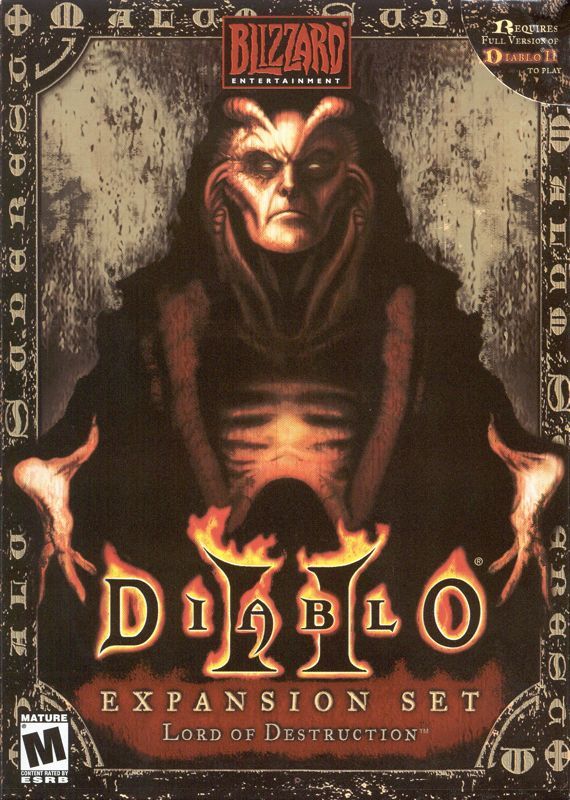
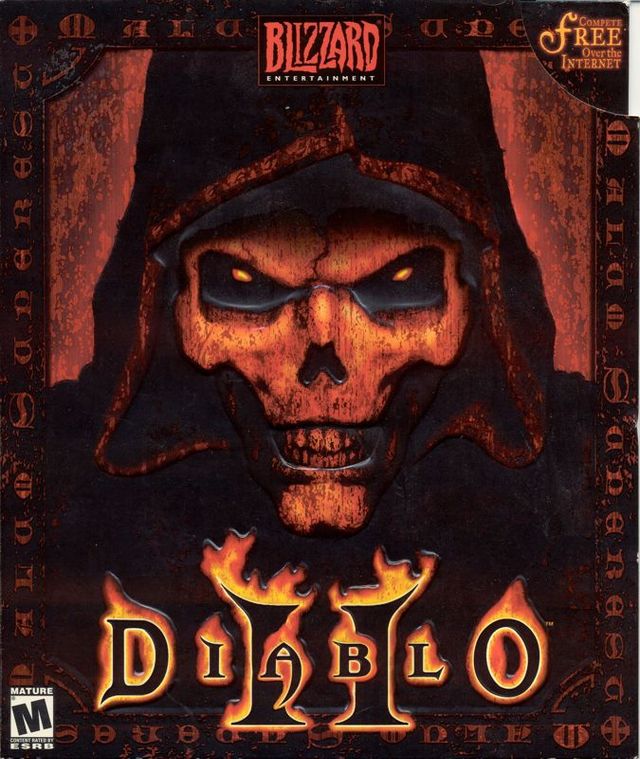
Diablo II is a single-player and multiplayer action role-playing game with hack-and-slash and loot-collecting mechanics.
The story follows the aftermath of the first game, Diablo. The hero of Tristram, who attempted to contain Diablo’s essence within himself, has become corrupted and now roams the world as the Dark Wanderer. His path leaves terror and destruction in its wake, and his journey is linked to the release of other Prime Evils. Players take the role of a new adventurer who begins in the Rogue Encampment, helping its defenders against the encroaching corruption and gradually pursuing the Dark Wanderer across different regions of Sanctuary.
At the start, players choose one of five character classes, each with distinct combat roles and skill trees. The Amazon specializes in bows, javelins, and passive bonuses to agility. The Necromancer raises undead minions, curses enemies, and uses poison or bone magic. The Barbarian excels at melee combat, can dual-wield weapons, and learns warcries to aid himself and allies. The Sorceress relies on elemental spells of fire, ice, and lightning. The Paladin blends melee fighting with holy auras that strengthen allies or weaken foes. Each class has unique animations, equipment choices, and strategies.
Progression is tied to experience points earned from defeating enemies, completing quests, and exploring. Level-ups grant attribute points, which can be distributed into Strength, Dexterity, Vitality, or Energy, and skill points that unlock or improve class-specific abilities. Skills are organized into branching trees, and some provide synergies that enhance others when invested in together. Enemies drop randomized loot, including armor, weapons, charms, and consumables. Rarity tiers add magical properties, while unique and set items grant powerful bonuses. Socketed gear allows customization through gems, jewels, or runes, permanently altering statistics or adding elemental effects.
The campaign spans four acts, each with its own hub town, wilderness zones, dungeons, and quest lines. Environments range from forests and deserts to jungles and hellish landscapes. Many areas are randomly generated in layout, with different enemy placements and item drops in each playthrough. Dungeons often feature multiple levels, with staircases, traps, and bosses waiting in the depths. Quests advance the story but also reward new abilities, item upgrades, or access to critical locations.
Combat is real-time, click-based, and supported by quick access slots for consumables and abilities. Health and mana are replenished through potions, wells, and shrines scattered throughout the world. A stamina system governs running, encouraging players to manage movement in combat and exploration. Gold serves as currency for purchasing equipment, repairs, and gambling for randomized items. Inventory and stash management play a central role, as limited space forces players to choose between carrying loot or resources.
Secondary systems expand the core loop. Horadric Cube recipes allow item transmutation, producing upgraded gear, consumables, or quest-critical objects. Waypoints provide fast travel between explored areas, while town portals create temporary exits from dungeons. Mercenaries can be hired to fight alongside the player, offering different combat specialties depending on the act. Difficulty modes unlock after completing the campaign, scaling enemy strength and loot rewards, while Hardcore mode introduces permanent death.
Multiplayer is available through LAN or online, allowing cooperative play or player-versus-player duels. Characters can trade items, share loot, or combine powers in parties. Online play also enforces seasonal ladders with ranking and unique items.