Indianapolis 500: Evolution
Description
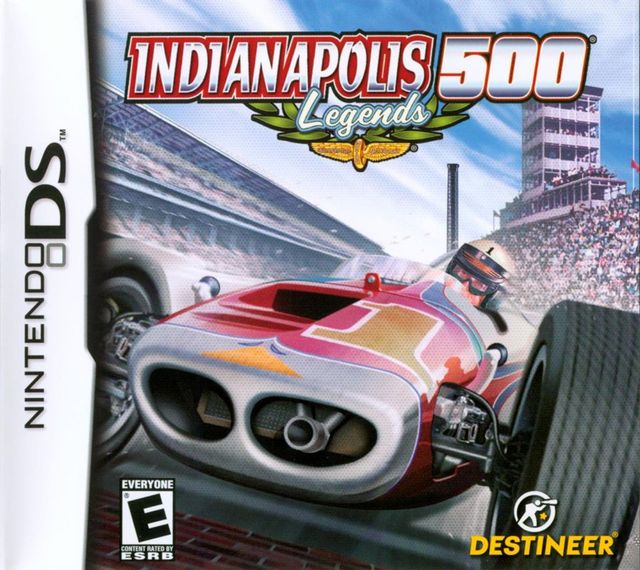
Indianapolis 500 Evolution is a racing simulation that focuses on the evolution of American open-wheel racing between 1961 and 1971, a formative decade for the Indianapolis 500 and the broader American Championship car series. It is similar to the earlier Indianapolis 500 Legends. The game presents historical events and changes in car design, rules, and competitors, highlighting key developments such as the transition from front-engine roadsters to rear-engine cars and the brief experimentation with turbine-powered vehicles. Players engage with both narrative and gameplay elements through a variety of single-player modes and a limited online multiplayer component.
The game offers four main gameplay modes: Quick Race, Xbox Live, Yearbook, and Career. Quick Race allows players to freely select any track and car from the 1961–1971 period, enabling standalone races with variable race lengths. Xbox Live replicates this format in an online setting, although matchmaking activity is minimal. Yearbook mode features 21 missions based on notable events from each year of the decade, giving players specific objectives tied to real-world racing moments. These scenarios vary in difficulty and serve as condensed historical recreations. The Career mode is the most comprehensive, placing players in control of a fictional driver over the entire 11-year span. Players start with a basic car and gradually upgrade components like chassis, engine, and gearbox using credits earned from race performance. Progression through the years is marked by changing vehicle technology and evolving competition.
The historical aspect of the game is central to its design. Each year from 1961 to 1971 is individually represented, with attention given to major technical and competitive shifts. These include the introduction of Jim Clark and Team Lotus in 1963, the increasing presence of European drivers, and the decline of front-engine cars following their final appearance in 1968. Events such as the 1964 fuel safety overhaul and the 1967 debut of the turbine-powered STP-Paxton Turbocar are also included. Vehicle specifications change annually, with a particular focus on engine types—primarily the turbocharged Offenhauser and Ford variants—and aerodynamic evolution, culminating in the 1971 Coyote's performance milestones.
The tracks featured in the game include period-specific renditions of the Indianapolis Motor Speedway, Milwaukee Mile (including its inner road course, Honey Creek), Trenton, Riverside, Hanford, and Langhorne Speedway. These circuits are modeled with consideration for their historical layouts and relevance during the era. The driver roster includes notable figures from the time, and visual presentation reflects the styling and vehicle design typical of 1960s and early 1970s American open-wheel racing. It also integrates media content such as archival photos and video clips, adding a documentary element.