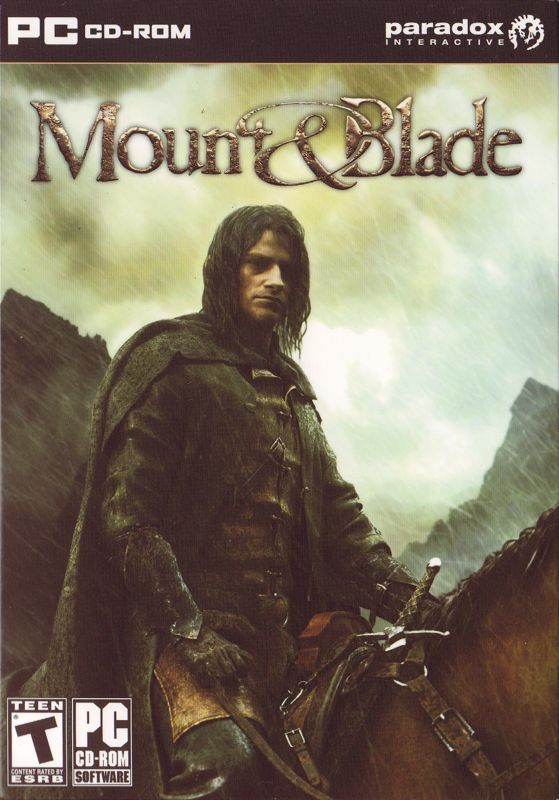
Mount & Blade II: Bannerlord
Description
Mount & Blade II: Bannerlord is a single-player and multiplayer open-world action role-playing and strategy game. It is set on the continent of Calradia, a land inspired by late antiquity and the early Middle Ages, during a time of civil war and shifting alliances. The player creates a custom character with no predetermined role, beginning as an adventurer with few resources, and chooses how to rise in a world of warring kingdoms. Paths range from becoming a mercenary or vassal to establishing a personal realm and dynasty.
The game blends real-time combat with large-scale strategic management. On the battlefield, the player directly controls their character using a directional melee and ranged system that accounts for timing, weapon type, and positioning. Battles can involve small skirmishes or large encounters with hundreds of soldiers, where the player may command units, assign formations, and issue tactical orders. Combat styles vary across cultures, including cavalry charges, infantry lines, and archer support, with each unit type carrying distinct strengths and weaknesses.
Progression is skill-based and tied to use. Proficiencies in areas such as swordsmanship, riding, trade, and engineering increase through practice, while character attributes shape overall growth. The player can also recruit companions with unique skills and assign them as party leaders, governors, or battlefield commanders. Equipment ranges from simple leather armor to ornate plate and can be looted, crafted, or purchased, with weapon customization allowing adjustments to blades, grips, and materials.
Outside of battle, the player manages a mobile warband and interacts with towns, villages, and castles across the map. Armies require wages and supplies, making economic choices and trade routes vital for survival. Captured settlements can be governed, defended, and developed, with structures and policies affecting prosperity and loyalty. Diplomacy provides alternatives to warfare, with options for marriage alliances, peace treaties, and persuasion during negotiations.
Quests are offered by nobles, merchants, and townsfolk, often involving bandit hunting, escorting caravans, or resolving disputes. A crime system tracks theft and lawbreaking, impacting how factions and towns respond to the player. The influence of clans and dynasties means progress extends beyond a single character, as heirs can inherit leadership and continue the family line if the player character dies.
Multiplayer modes allow direct combat against other players in team-based matches, including sieges and pitched battles. These emphasize personal combat skill and coordination with human allies.