OneShot
Description
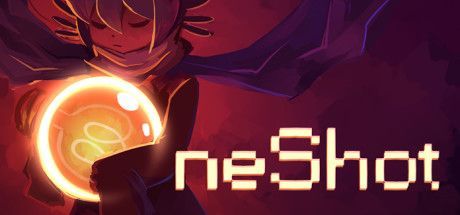
OneShot is a single-player adventure game with puzzle-solving and narrative-driven exploration. The story follows Niko, a child who awakens in a decaying world that has lost its sun. Guided by the player, who is acknowledged as a separate entity within the narrative, Niko must carry a fragile lightbulb that represents the new sun. The journey spans diverse regions, including rural villages, industrial ruins, and desolate cities, where the protagonist searches for a way to restore light to the land. The central theme is the bond between Niko and the player, as both work together to decide the world’s fate.
Gameplay combines traditional point-and-click adventure elements with inventory-based puzzles. Players interact with objects in the environment, collect items, and combine them to progress. Challenges often require logical reasoning and careful exploration, such as repairing broken devices or discovering hidden paths. Unlike many adventure games, the perspective is presented in a top-down style, allowing Niko to move freely through each area while interacting with objects or characters.
Progression is non-linear within regions, with puzzles that vary in complexity and sometimes depend on information gathered earlier. An unusual feature is the game’s use of metafictional mechanics: in the original PC version, certain puzzles break the boundary of the game window, requiring players to check files or desktop elements outside of the game itself. These interactions emphasize the connection between Niko, the player, and the world.
Dialogue choices allow for limited interaction with characters, though the story remains mostly linear, guided by scripted events and conversations. The game includes a journal mechanic that provides both narrative clues and puzzle solutions. There is no combat or traditional inventory management beyond puzzle items, keeping the focus on exploration and story progression.
OneShot: World Machine Edition adapts the original PC version for consoles by reinterpreting the metafictional elements. Instead of manipulating desktop files, the player accesses a simulated operating system called the “World Machine,” where messages, images, and tools recreate the fourth-wall interactions of the original. This allows console players to experience the narrative themes of direct communication and metafiction without leaving the game interface. This console edition was later released for PC.