RailWorks
Description
RailWorks description:
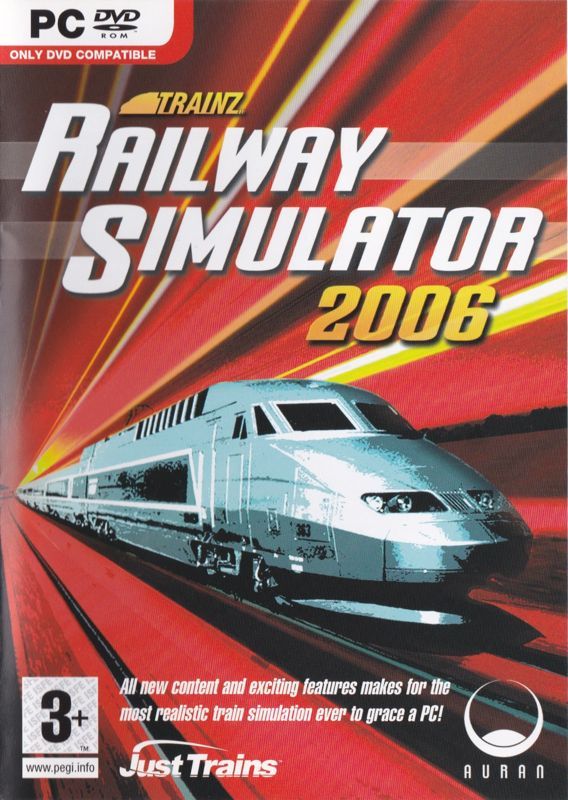
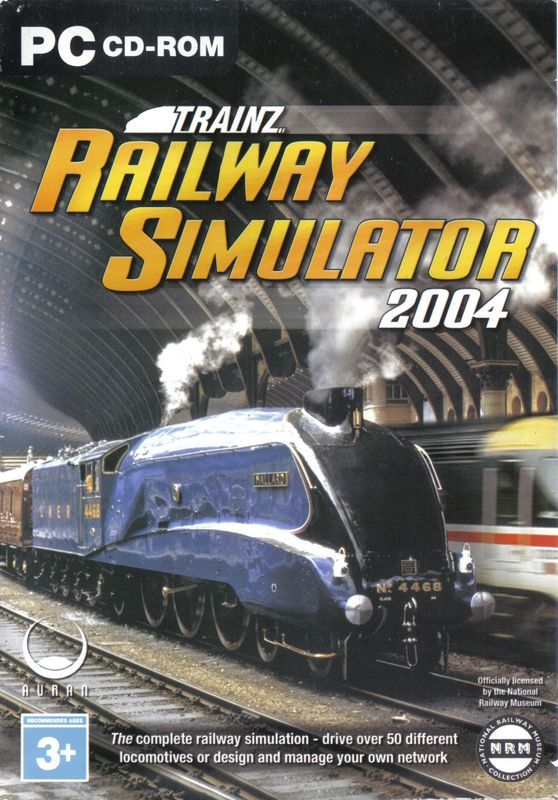
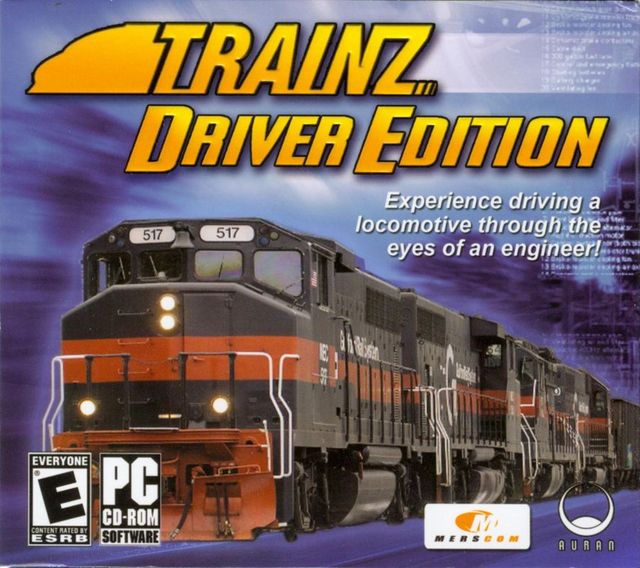
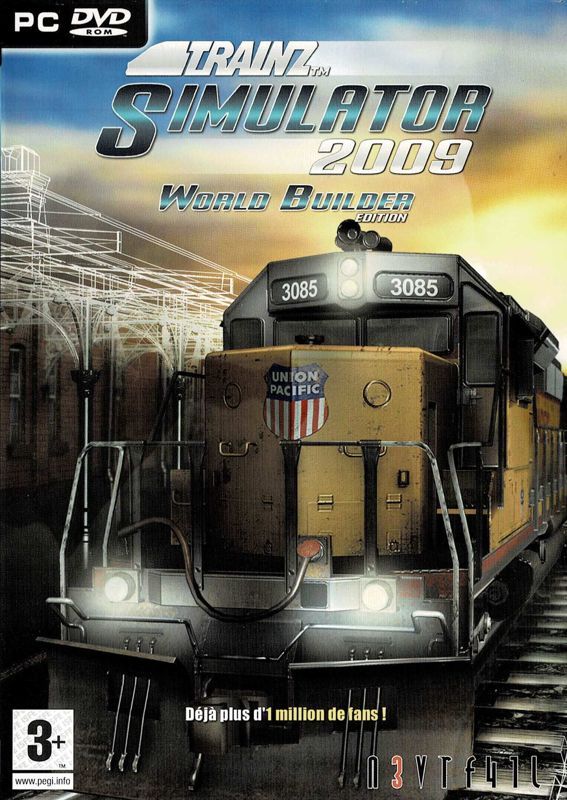
RailWorks is a train simulator. It is the successor to Rail Simulator. It allows the player to drive both steam, diesel and electric locomotives on eight different routes with many more being available as downloadable content. The player can choose between free roam driving and scenarios. Scenarios are activities with assignments that the player has to accomplish. This can for example include picking up passengers, delivering freight or to meet a timetable.
The game can be played with three control methods each offering a different level of difficulty. These are simple, intermediate and expert. In the simple mode much is automatized and the player only has to handle three commands: speed up, slow down and change direction. The intermediate mode is more complex. Here the player has to increase or decrease the throttle, reverser, train brakes and locomotives brakes. In the expert mode he also have to handle dynamic brakes and handbrakes, warning systems, sander and power pickup. The driving can be done with either mouse or keyboard. When using the mouse the player simply points and clicks on the different controls in the cab.
The game comes with a numbers of tools that can be used to create new content. This include a world editor for creating or new routes and a scenario editor for the creation of new scenarios.
The following routes are available in the base game:
- Oxford – Paddington (UK route set in 2006)
- York – Newcastle (UK route set in 1978)
- Hagen – Siegen (German route set in 1998)
- Bath – Templecombe (UK route set in 1955)
- Barstow – San Bernardino (US route set in 2005)
- Hedborough North (fictional UK route set in 1968)
- Seebergbahn (fictional Alpine route set in 2009)
- CastleRockRailroad (fictional US route set in 2009)
RailWorks 2: Train Simulator description:
RailWorks 2: Train Simulator is an updated version of the original RailWorks. For owners of the original game it was made available as a free download. The basics of the game are the same. The player gets to drive a number of different trains (both steam, diesel and electric ones are available) across different routes (nine in total; one more than in the original). The routes can be played in a free roaming mode but also in relation to scenarios where the player has to follow different objectives. New to RailWorks 2 is a career mode which consists of scenarios where the player can measure his performance against a set of criteria. The player can then share and compare his results with those of others. Factors that could impact the result negatively include speeding, excessive fuel usage and not keeping up with the time tables.
The trains can be driven with both simple and expert controls. In the simple mode much is automatized and the player can focus on three commands: speed up, slow down and change direction. The expert mode is more complex but also offers greater flexibility. Here the player has to increase or decrease the throttle, reverser and brakes. New in RailWorks 2 is the graphical user interface. Previously the player has had to use memorize keyboard commands or to directly manipulate the controls in the cab. Now all the different levers and buttons are directly available from the GUI. The interface also shows important information about the train and the track ahead.
The game features one new route: TestTrak, a German testing facility that is used to test the performance and driving characteristics of the trains.
RailWorks 3: Train Simulator 2012 description:
RailWorks 3: Train Simulator 2012 is an updated version of RailWorks 2: Train Simulator. For owners of previous Railworks games it was made available as a free download. The basics of the game are the same. The player gets to drive a number of different trains (both steam, diesel and electric ones are available) across different routes (nine in total; same as in RailWorks 2). The routes can be played in a free roaming mode but also in relation to scenarios where the player has to follow different objectives. There is also a career mode which consists of scenarios where the player can measure his performance against a set of criterias. The player can then share and compare his results with those of others. Factors that could impact the result negatively include over speed, excessive fuel usage and late arrivals.
The trains can be driven with both simple and expert controls. In the simple mode much is automatized and the player can focus on three commands: speed up, slow down and change direction. The expert mode is more complex but also offers greater flexibility. Here the player has to increase or decrease the throttle, reverser and brakes. The controls options remain the same as in RailWorks 2. The player can either use keyboard commands, the graphical interface or interact directly with the controls in the cab.
The main difference in RailWorks 3 is the new graphics engine. The new engine offers extended draw distances, new weather and sky effects (including rain and snow) and shadows and water reflections. Users with older computers can choose to disable the new engine and run in a legacy mode which is less demanding. Also the game's physics have been improved.
Two new trains have been added to the game: a Super Express Concept train and a F7 Warbonnet.
Railsimulator.com's Train Simulator 2013 description:
Railsimulator.com's Train Simulator 2013 is a simulation game which allows the player to drive trains. It is an update to RailWorks 3: Train Simulator 2012 with only a few engine tweaks (gamepad support, new menus, an option to quickly set up a game) and Steam Workshop integration. The basics of the game stay the same: the player drives on the courses while using either the simple (many aspects are automated) or expert control system. The playing modes are free roaming, missions or career (basically a sequence of missions).
The game is very open regarding the addition of trains and lines (either by official DLC or user modification) and there are various versions which only vary in included content. The standard Steam version features nine trains (including one steam locomotive) and four lines (Brighton-London, Isle of Wight, Laramie-Cheyenne and New York-Philadelphia). Additionally there are different regional releases and a free engine update for owners of the predecessor which only imports old purchased content. The available missions vary depending on the installed lines.
Train Simulator 2016 description:
Train Simulator is a simulation game where a single player takes control of some of the world's most popular train routes. The base game features four real-world routes, all of which run on a tight schedule:
Hamburg - Lübeck - Take the Vogelfluglinie and bring German passengers from Hamburg to Lübeck (and back).
Marseille - Avignon - Take the TGV's breakneck-speed Ligne Grande Vitesse along the French countryside from Marseille Saint Charles to Avignon.
Bristol - Cardiff - Travel through the Southern Wales countryside along the South Wales Coastal Line.
New York - Bay Head - Experience the precision of New York City's commuter rail along NJ Transit's modern North Jersey Coast Line.
If, however, the imagination is too big for any of those routes, there's always the ability to post and share your own routes, as well as a special Railfan Mode where favorite game pictures can be shared with the community. There's also the TS Academy, where players can get a feel for the railroad and learn to master the machines.