Teenage Mutant Ninja Turtles: Tactical Takedown
Description
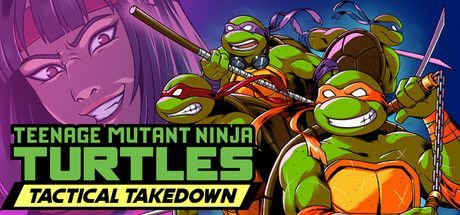
Teenage Mutant Ninja Turtles: Tactical Takedown is a turn-based tactics game. It is the first title in the Teenage Mutant Ninja Turtles franchise to adopt a tactical, grid-based combat system. Drawing stylistic inspiration from classic TMNT cartoons and comic books, the game introduces a narrative focused on loss, maturity, and personal growth, diverging from the franchise’s traditional team-centric structure.
Set after the deaths of both Master Splinter and Shredder, the story follows the four Turtles—Leonardo, Donatello, Raphael, and Michelangelo—during a period of separation and reflection as they face a new threat from the Foot Clan, now led by Karai with support from scientist Baxter Stockman. Each Turtle undertakes a solo campaign, navigating personal challenges and tactical missions in unique environments corresponding to their individual stories. The narrative is conveyed primarily through brief textual interludes before and after missions, emphasizing minimalism in storytelling while retaining core emotional themes.
Gameplay centers on grid-based tactical battles in diorama-inspired arenas. Players control one Turtle at a time through twenty solo missions, each with its own mutating level design. Every Turtle shares the same base stats—six health points, six action points per turn, and three continues—but features a distinct combat style and set of abilities aligned with their canonical personalities. Leonardo offers balanced, rhythmic combat; Donatello specializes in traps and area control; Raphael relies on high-risk, high-reward strikes; and Michelangelo emphasizes agility and environmental interactions.
The game includes a performance-based scoring system that assigns grades at the end of each level. Players can earn in-game currency, represented as collectible "shells," to unlock additional abilities and customize each Turtle’s moveset. Although these enhancements are optional for campaign completion, they contribute significantly to advanced tactics and replayability for players pursuing higher scores or different playstyles.
Visuals are heavily stylized, employing a graphic novel aesthetic with static figurine-like character models and environmental elements resembling a tabletop setup. Combat animations are minimal but expressive, with status effects and actions altering character poses and visual cues. The art direction pays homage to the franchise’s origins in comic panels while maintaining a lo-fi, arcade-inspired atmosphere. There is no voice acting.