Call to Power II
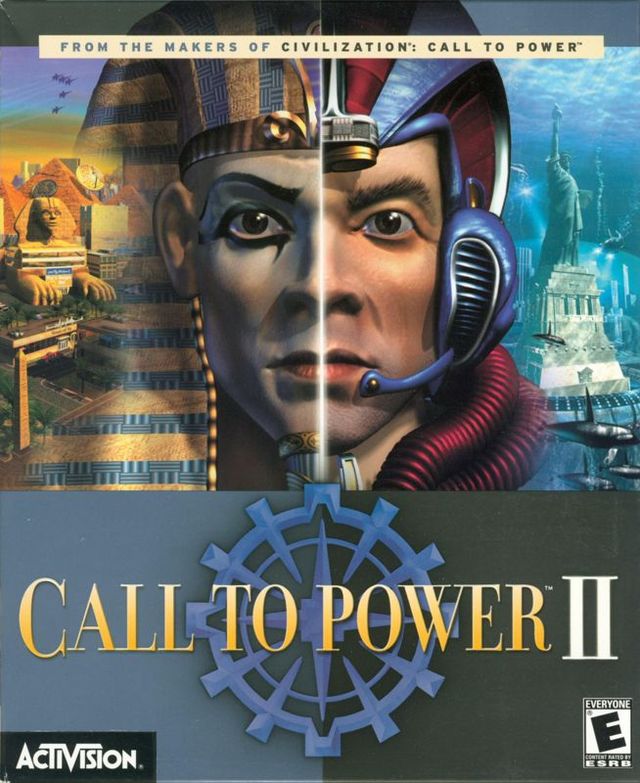
Description
Call to Power II is a single-player and multiplayer turn-based strategy game where the player leads a civilization from the dawn of prehistory to a speculative future. As ruler, the objective is to expand influence across centuries, guiding society through technological, cultural, and political milestones while competing with rival nations for dominance. Victory can be achieved through conquest, diplomacy, scientific advancement, or other paths depending on strategic choices.
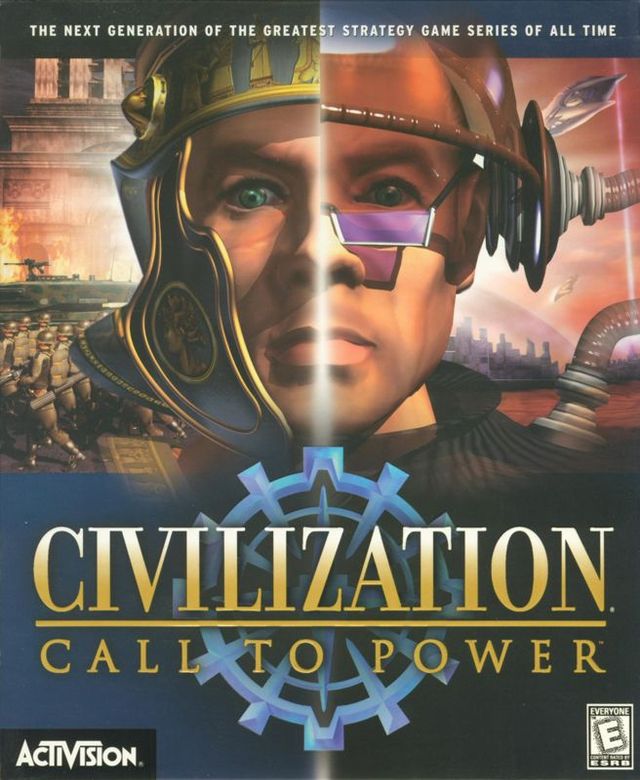
Like its Civilization: Call to Power, the game is structured around turn-based empire management. Players begin with a single settlement, gradually founding cities, managing resources, and exploring the world. Each city can construct buildings, wonders, or military units, and must balance food, production, commerce, and happiness to thrive. Terrain features and improvements such as farms, mines, or roads influence growth and efficiency, while trade routes generate wealth and foster diplomatic relations.
Technology is advanced by investing in research, unlocking new units, government systems, and societal developments. The technology tree spans thousands of years, from basic tools to futuristic inventions such as plasma weaponry and orbital infrastructure. Unlike many strategy games, progress continues far beyond the modern era, introducing speculative technologies and units such as space-based cities and undersea colonies.
Diplomacy and espionage serve as crucial tools alongside military force. Rival civilizations can be engaged in alliances, trade agreements, or peace treaties, while covert operatives may sabotage infrastructure, incite unrest, or gather intelligence. Warfare involves diverse land, naval, and air units, with additional late-game options such as biological and nanotechnological weaponry. Unit stacking rules and combined-arms tactics encourage strategic planning in combat rather than reliance on sheer numbers alone.
The game also features new governmental systems that alter gameplay, influencing city productivity, corruption, military organization, and citizen freedoms. Players must adapt policies to changing eras and situations, balancing the benefits of central authority against the risks of civil unrest. Unique wonders of the world, if completed, provide lasting global bonuses and can shift the balance of power dramatically.