Total War: Warhammer III
Description
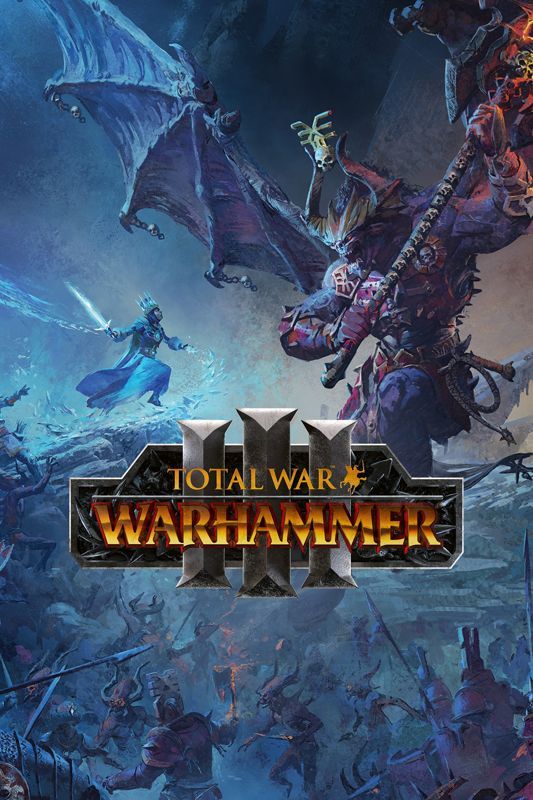
Total War: Warhammer III is a single-player and multiplayer strategy game that combines turn-based empire management with real-time tactical battles. The story is set in the Warhammer universe and centers on the struggle for control of Ursun, the Bear God of Kislev, whose imprisonment creates a power vacuum between mortal factions and the four Chaos Gods. Players can lead nations such as Kislev, Grand Cathay, or one of the Daemonic legions, each pursuing their own objectives in a conflict that spans both the mortal world and the Realms of Chaos.
The campaign map plays out in a turn-based format where the player manages settlements, builds infrastructure, raises armies, and negotiates with rival factions. Armies move across provinces to expand territory and confront enemies, with each region providing resources, strategic chokepoints, or diplomatic leverage. Victory conditions vary between factions, with some requiring dominance over rival nations and others demanding progress through the Chaos Realms to secure Ursun’s fate.
When armies clash, the game shifts into real-time battles. Players command large formations of infantry, cavalry, artillery, and monsters, maneuvering them across varied terrain to outflank opponents and exploit weaknesses. Unit abilities reflect their lore origins, from Cathay’s harmony-based synergy to the Chaos factions’ daemonic powers. Hero characters and lords provide leadership bonuses and magical spells that can alter the outcome of engagements, while morale and fatigue systems influence the effectiveness of troops in prolonged combat.
Progression is tied to both empire-building and character development. Generals and heroes gain experience and can be customized through skill trees that unlock new powers or improve army efficiency. Factions maintain unique mechanics: Kislev balances the competing influences of its religious and political leaders, Grand Cathay relies on trade and the harmony between Yin and Yang, and the Daemon factions embody the themes of their patron gods, each with distinct campaign rules and battle tactics. These asymmetrical designs create different strategic challenges depending on the chosen faction.
Secondary systems expand the scope of play. Diplomacy allows alliances, trade agreements, and treaties, but AI rivals may be influenced by cultural aversion or alignment to Chaos. Random events, dilemmas, and scripted story missions add narrative variety across campaigns. Multiplayer includes competitive battles as well as cooperative campaigns where players can pursue parallel or conflicting goals. Mod support is available on PC versions, adding further customization for players.
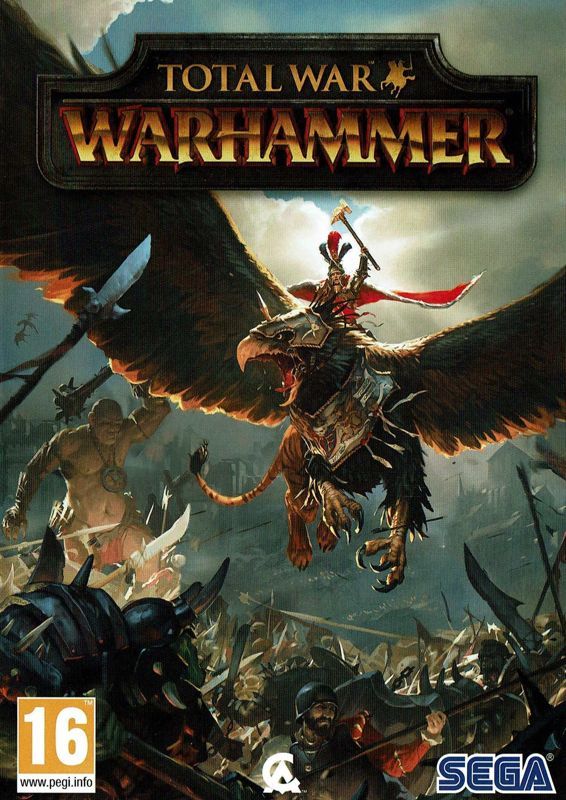
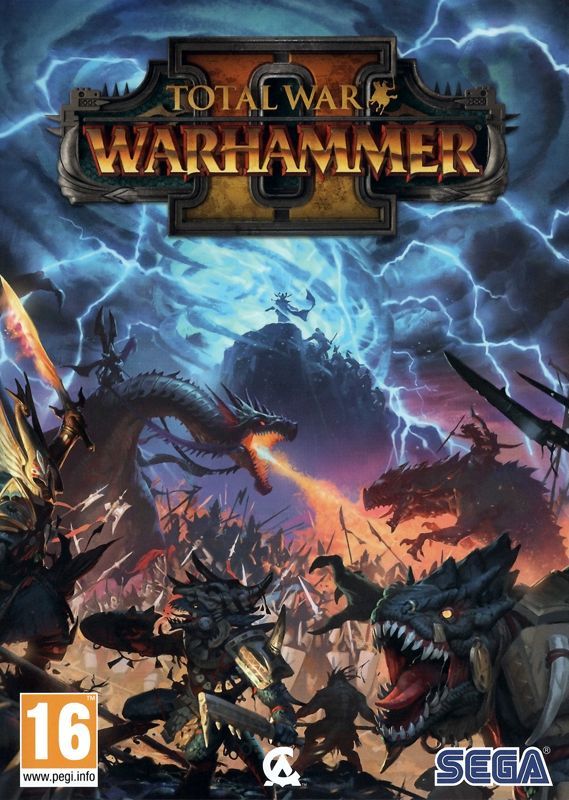
The game is designed to integrate with its predecessors in the trilogy, Total War: Warhammer and Total War: Warhammer II. Owners of earlier titles can access their factions in the combined “Immortal Empires” campaign, a grand-scale map that merges all three games into one extended experience.