Nightmare Reaper
Description
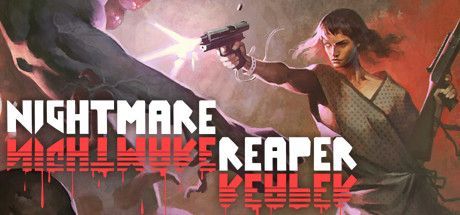
Nightmare Reaper is a single-player horror-themed first-person shooter. The story follows a patient confined to a psychiatric hospital who experiences violent and surreal dreams. Each night, the protagonist is drawn into hostile dreamscapes filled with grotesque enemies and shifting environments. The player’s objective is to survive the nightmares, uncover fragments of the character’s past, and eventually escape the endless cycle of dreams and waking life.
The core gameplay unfolds within the nightmares, which generate procedurally designed levels inspired by classic retro shooters. Movement is fast and fluid, encouraging constant strafing, jumping, and aggressive combat. Players can wield more than eighty weapons ranging from conventional firearms and melee arms to bizarre magical implements. Weapons appear as loot during runs and a limited number may be carried forward into future attempts, though their availability changes with each night. Combat emphasizes chaos and variety, with weapons offering unique firing modes and secondary effects such as explosive projectiles, rapid bursts, or area-of-effect attacks. Levels contain destructible objects, hidden areas, and randomized enemy placements. Survival is rewarded with gold, experience points, and opportunities to enhance the arsenal. While permadeath applies within an individual dream sequence, long-term character growth and upgrades persist across multiple runs.
Progression outside of combat is handled through a hub environment located in the hospital. Between nightmare runs, the player can explore this space to access skill trees and upgrade systems. Enhancements range from basic stat boosts, such as increased health or movement speed, to entirely new mechanics that expand gameplay possibilities. These upgrades are primarily unlocked through minigames styled after 8-bit side-scrolling action titles, presented via an in-game handheld device. Completing these challenges awards tokens that can be spent to unlock new abilities and permanent bonuses, ensuring steady growth across repeated playthroughs.
The narrative is delivered gradually and indirectly through notes, environmental storytelling, and transitions between the hospital and dream worlds. Rather than relying on dialogue-driven exposition, the game communicates its story through imagery and fragments, leaving interpretation largely up to the player. As the player progresses, connections between the real-world hospital and the dreamscapes are revealed.